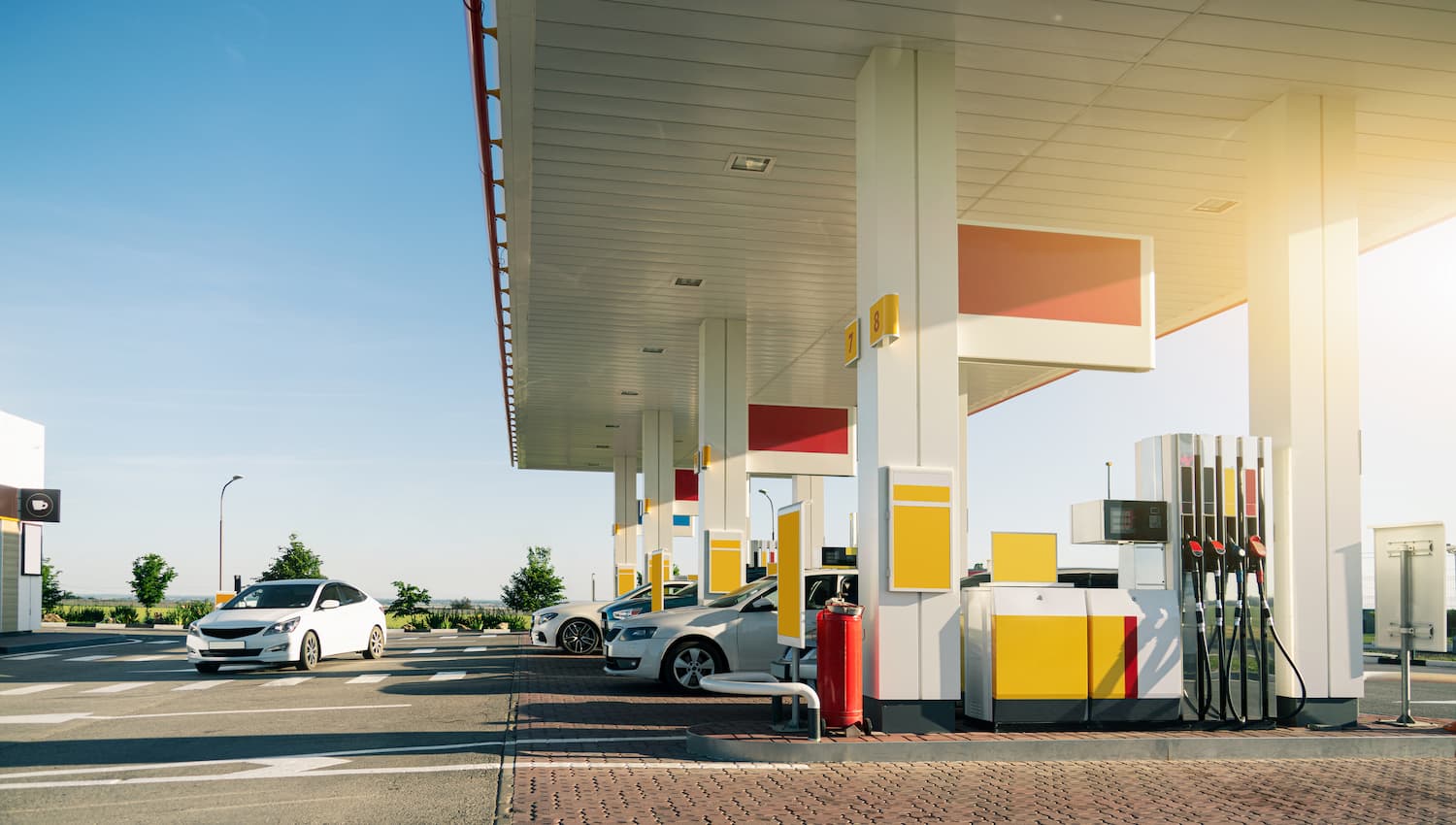
Petrol station insurance is specifically designed to address the risks and liabilities associated with operating a fuel retail business. It provides financial protection against a range of potential incidents, ensuring that your business remains secure and operational. Here’s why petrol station insurance is crucial for your fuel retail business:
- Property Protection: Petrol station insurance covers damage or loss to your property, including fuel pumps, storage tanks, buildings, and equipment. This coverage is essential in safeguarding your valuable assets and ensuring the continuity of your business operations.
- Liability Coverage: Fuel retail businesses are exposed to various liability risks. Petrol station insurance protects against third-party claims for bodily injury, property damage, or environmental pollution that may occur on your premises or as a result of your operations.
- Business Interruption: In the event of a fire, natural disaster, or other incidents that temporarily suspend your operations, petrol station insurance can provide coverage for lost income and additional expenses incurred during the interruption. This helps you recover and resume business as quickly as possible.
Coverage Options and Specific Risks for Petrol Station Businesses
Petrol station insurance typically offers several coverage options tailored to the specific risks faced by fuel retail businesses. Common coverage options include:
- Property Insurance: This coverage protects your petrol station’s physical assets, such as buildings, fuel pumps, underground storage tanks, and signage, against damage or loss caused by fire, vandalism, theft, or natural disasters.
- Liability Insurance: Liability coverage is crucial for petrol stations, as accidents and injuries can occur on your premises or as a result of fuel spills. Liability insurance covers third-party bodily injury, property damage, and pollution-related claims.
- Business Interruption Insurance: This coverage compensates for lost income and additional expenses when your business operations are temporarily disrupted due to covered incidents, such as fires, natural disasters, or equipment breakdown.
- Environmental Pollution Insurance: Petrol stations face the risk of environmental pollution from fuel spills or leaks. Environmental pollution insurance provides coverage for the costs associated with cleanup, environmental remediation, and potential legal liabilities.
Factors to Consider When Choosing Petrol Station Insurance
When selecting petrol station insurance, it’s important to consider the following factors:
- Coverage Limits: Evaluate the coverage limits provided by different insurance policies to ensure they are sufficient to cover potential losses. Consider the value of your property, the volume of fuel sales, and the potential liabilities your business may face.
- Excesses: Assess the Excesses associated with the policy. Higher excesses may lower your premiums but ensure they are manageable for your budget in the event of a claim.
- Reputation and Financial Stability of Insurers: Research the reputation and financial stability of insurance companies offering petrol station insurance. Choose insurers with experience in the fuel retail industry and a track record of prompt claims settlement.
- Customization Options: Look for insurers that offer customization options to tailor the insurance coverage to your specific needs. This allows you to obtain the most relevant and comprehensive coverage for your petrol station business.
Tips for Maximising Coverage and Minimising Risks
To maximise your coverage and minimise risks, consider the following tips:
- Implement Proper Safety Measures: Ensure your petrol station adheres to safety regulations and industry best practices. This includes regular equipment maintenance, employee training on safety protocols, and installation of security systems to prevent theft and accidents.
- Conduct Regular Risk Assessments: Identify potential risks and hazards specific to your petrol station business through regular risk assessments. Address any vulnerabilities by implementing appropriate risk management strategies and preventive measures.
- Maintain Comprehensive Records: Keep detailed records of maintenance activities, inspections, employee training, and incidents. This documentation can be invaluable in case of insurance claims or liability disputes.
- Review and Update Coverage Regularly: Regularly review your petrol station insurance coverage to ensure it aligns with the evolving needs of your business. Update coverage as necessary to account for any changes in property value, operations, or liabilities.
Petrol station insurance is a vital aspect of securing your fuel retail business against various risks and liabilities. It provides financial protection, covers property damage, mitigates liability risks, and helps your business recover from interruptions. By understanding the importance of petrol station insurance, selecting appropriate coverage options, considering key factors when choosing insurance, and implementing risk management strategies, you can protect your petrol station business, minimise financial losses, and ensure its long-term success.
At Acer Insurance we have over 25 years of experience, if you have any questions regarding Petrol Station Insurance, you can call 01959546823 or contact us by email.